Latency and barge-in
Can callers interrupt naturally, and does the agent answer without awkward pauses?
Independent buyer research
Compare AI receptionists, voice automation platforms, answering services, and industry-specific phone agents by workflow, integration depth, compliance posture, and buyer fit.
Call types
Find tools for reception, scheduling, qualification, intake, restaurant calls, healthcare front desks, and other phone workflows.
Use case
Inbound call coverage, booking, routing, and common question handling.
Use case
Developer and operations platforms for custom phone agents.
Use case
Consent-based lead follow-up, reminders, reactivation, and scheduling.
Use case
Reservations, orders, menus, wait times, and guest questions.
Use case
Screening, intake notes, booking, and human handoff for law firms.
Use case
Patient scheduling, insurance questions, reminders, and compliant routing.
Evidence lab
Use structured call tests, stack diagrams, and cost models to evaluate AI phone agents beyond a polished demo.
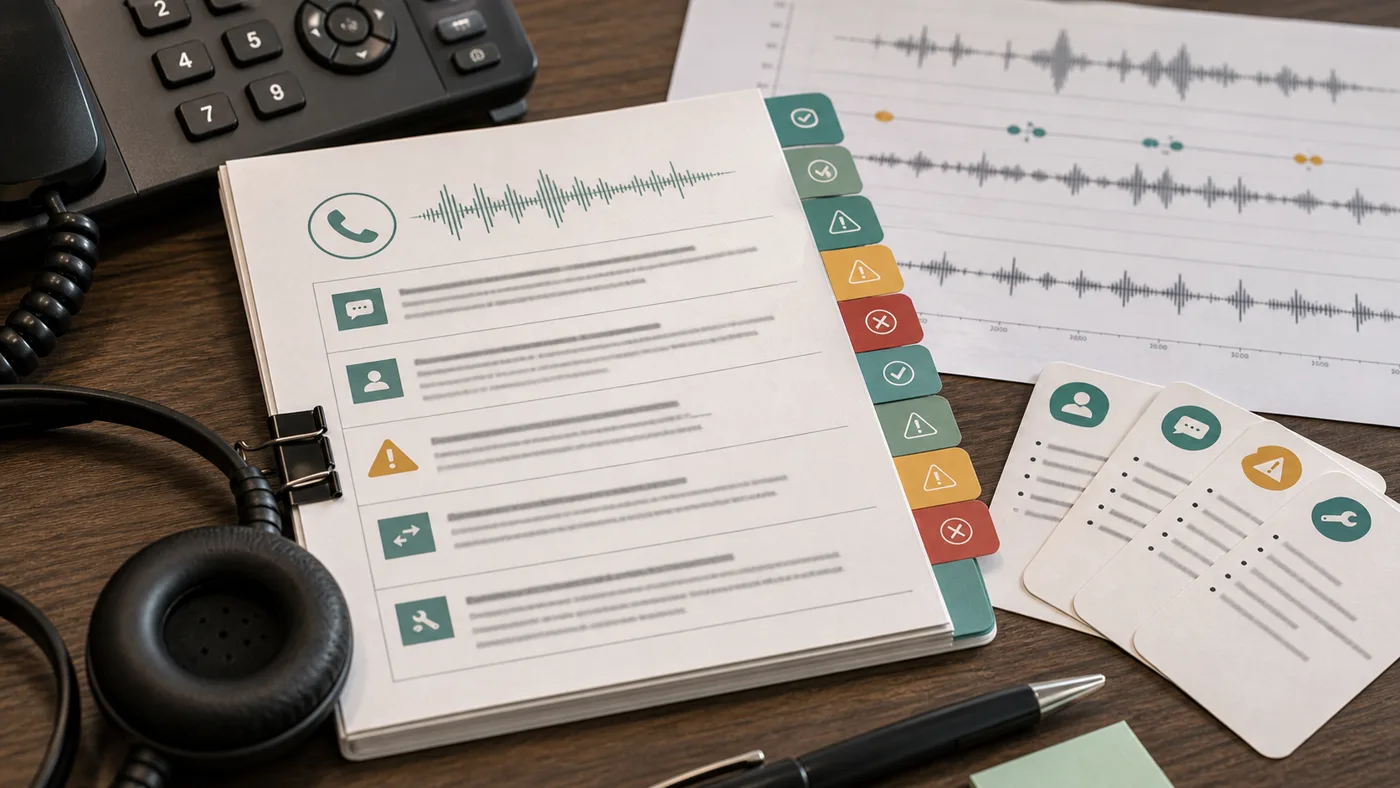
Repeatable protocols for latency, handoff, appointment booking, urgent escalation, noisy callers, and vendor evidence packets.
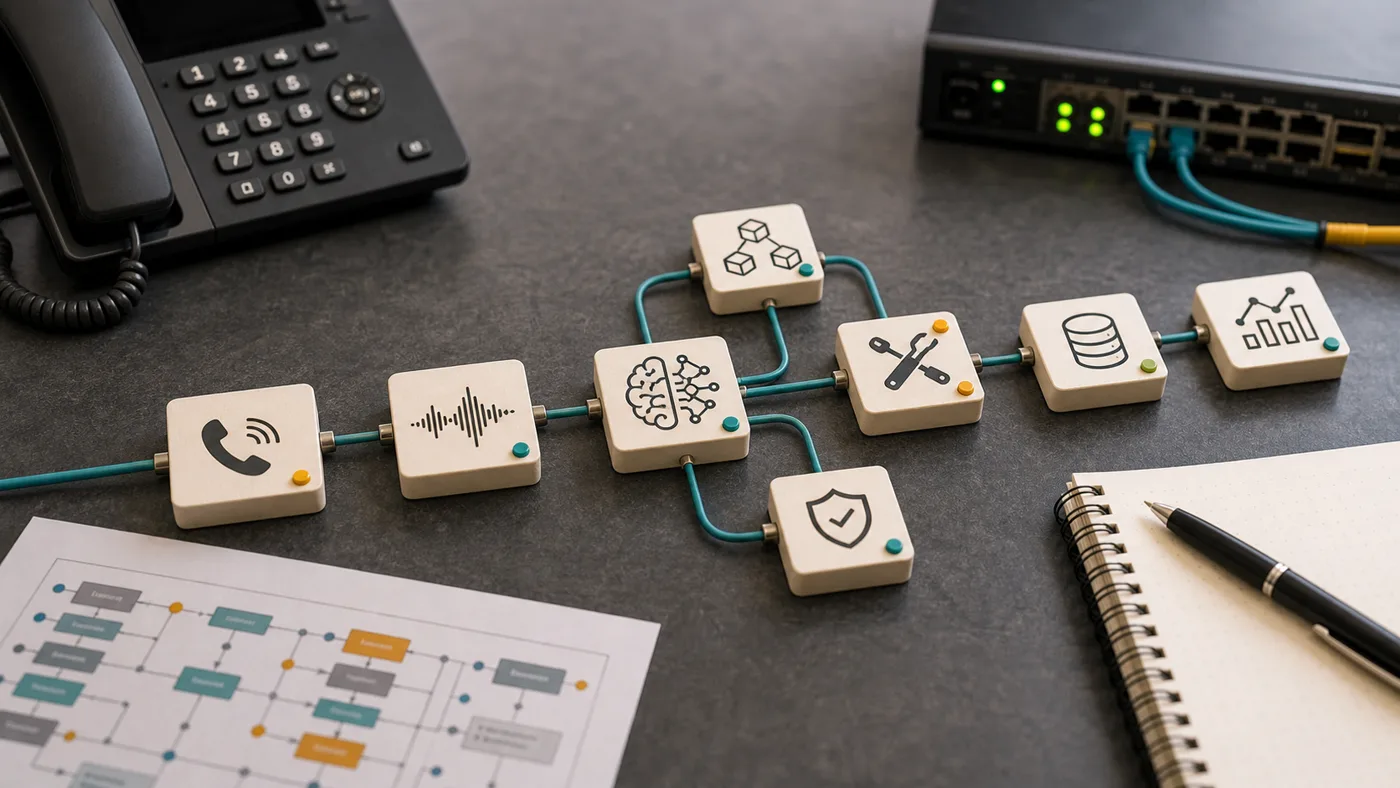
Telephony, speech recognition, LLM orchestration, tool calls, text-to-speech, analytics, and human escalation as one buyer map.
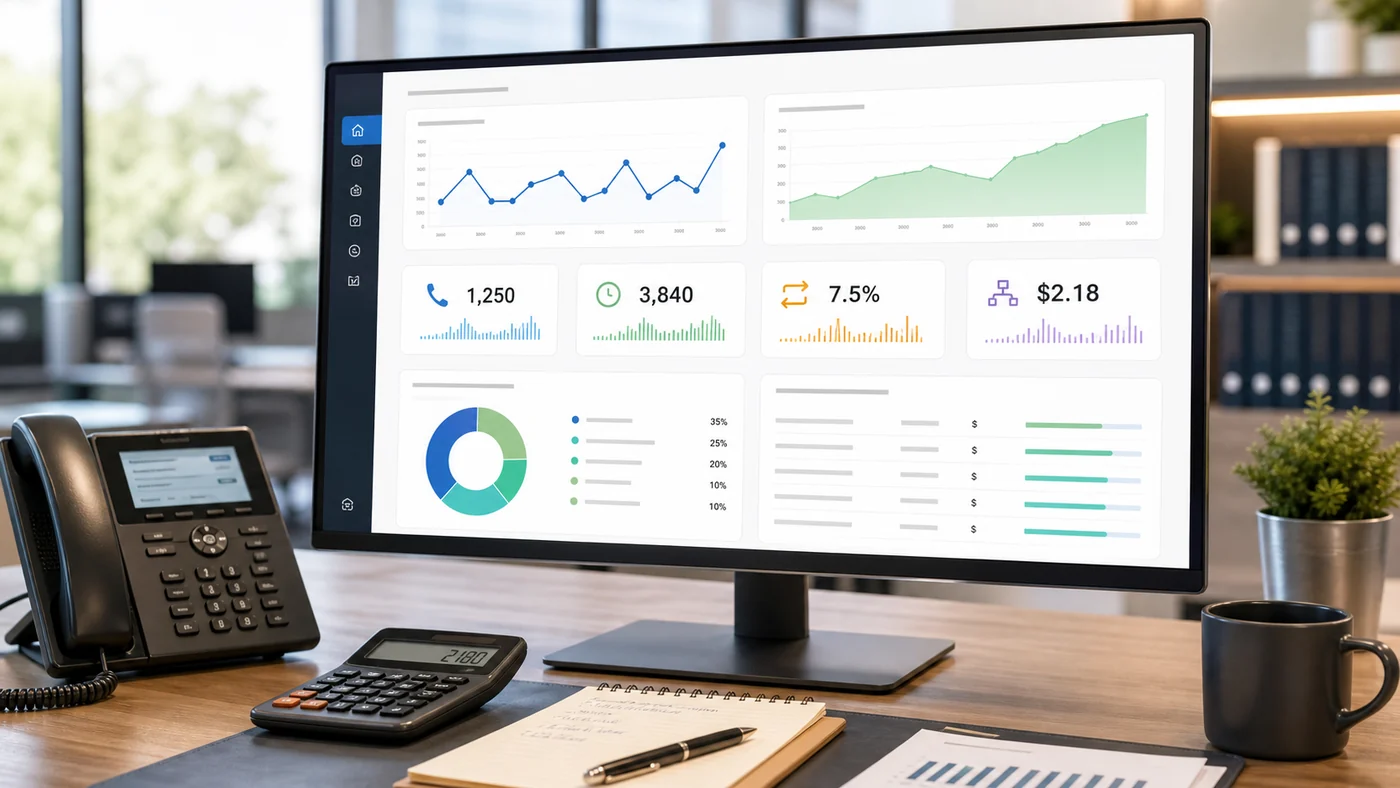
A live cost model that separates subscription, minutes, telephony, setup, integrations, human fallback, and completed workflows.
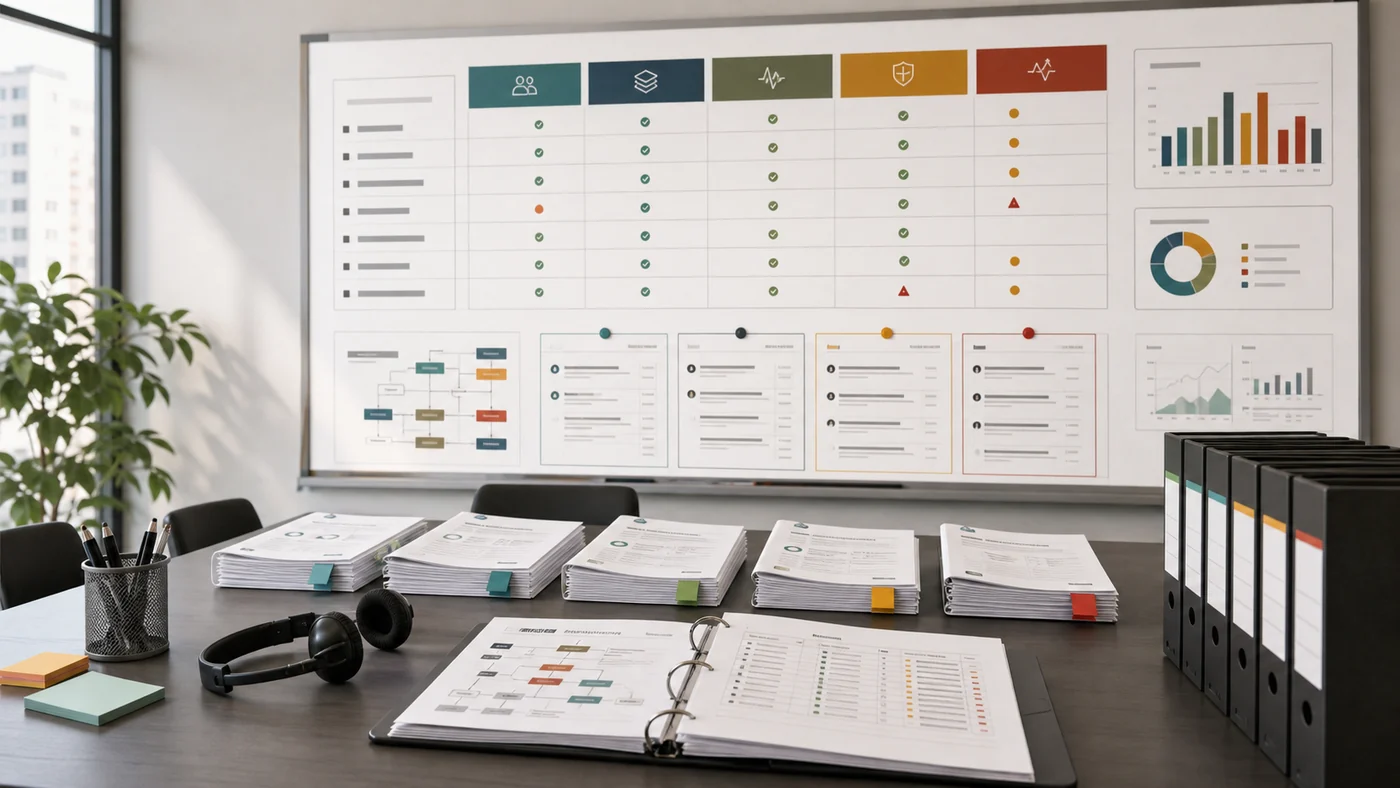
A structured requirements builder for demos, vendor scorecards, compliance review, pricing normalization, and acceptance tests.
Decision paths
These paths connect the main platform, restaurant, and infrastructure decisions before the vendor demo.
Evaluation criteria
Voice quality matters, but the real test is whether the agent handles interruptions, transfers, integrations, compliance, and cost.
Can callers interrupt naturally, and does the agent answer without awkward pauses?
Does the agent actually book, qualify, route, update records, or only summarize?
Can sensitive, confused, or high-value calls reach the right person quickly?
Are calendars, CRMs, ticketing, SIP, and webhooks native, brittle, or custom-only?
What claims are public, what requires contract review, and what is still buyer-owned?
How do model, voice, telephony, number, usage, and support charges stack up?
Company directory
Open a profile to compare fit, setup, integrations, pricing model, and risk notes.
Start here
Compare well-known platforms by setup type, use case, integrations, pricing model, and handoff support.
Usage-based platform pricing
Usage-based platform pricing
Usage-based voice, number, SIP, and platform pricing
Per-minute and enterprise plans
Pay-as-you-go and enterprise
Guides
Use these guides to price, test, launch, and govern an AI phone agent.
Compliance and neutrality
Outbound calls, recordings, opt-outs, healthcare privacy, and human escalation all need review before launch. Sponsored placement never changes editorial conclusions.
Industries
Dental, legal, and restaurant calls each need different routing, handoff, and risk checks.
More profiles
Fresh profile pages now cover phone-suite AI, restaurant specialists, voice-model agents, enterprise contact-center platforms, and voice-agent QA.

Phone-suite buyers can compare RingCentral against standalone AI receptionists.

Restaurant buyers can compare Loman against Slang AI and ordering-native tools.

Voice quality, agent tooling, phone workflow depth, and integration ownership.

Enterprise contact-center voice AI with a different evidence model from SMB receptionists.

Restaurant, drive-thru, phone ordering, and omnichannel voice commerce coverage.

Voice-agent QA and monitoring for teams that need benchmark evidence before launch.